
Our People
Cremins Lab is a community of researchers, engineers, and innovators united by a shared curiosity about how memory works. Together, we combine different perspectives and expertise to tackle questions that no single discipline can answer alone.
Jennifer Phillips-Cremins, PhD
Jennifer Phillips-Cremins, Ph.D. is a James McDonnell Professor and BJC Investigator at the Washington University of St. Louis School of Medicine with primary appointments in the Departments of Genetics and Neuroscience. Dr. Cremins obtained her Ph.D. in Biomedical Engineering from the Georgia Institute of Technology in the laboratory of Andres Garcia. She conducted a multi-disciplinary postdoc in the laboratories of Job Dekker and Victor Corces. Dr. Cremins is the founder and leader of the Laboratory of Chromatin and Spatial Neurobiology, first at the University of Pennsylvania from 2014-2025 before moving to WashU on November 1, 2025. Her primary research interests lie in understanding the long-range chromatin architecture mechanisms that govern neural specification and synaptic plasticity in healthy neurons and how chromatin-synapse communication is dysregulated in neurodevelopmental and neurodegenerative diseases. She has been selected as a 2014 New York Stem Cell Foundation Robertson Investigator, a 2015 Albert P. Sloan Foundation Fellow, a 2016 and 2018 Kavli Frontiers of Science Fellow, 2015 NIH Director’s New Innovator Awardee, 2020 NSF CAREER Awardee, a 2020 CZI Neurodegenerative Disease Pairs Awardee, the 2022 ISSCR Susan B. Lim Outstanding New Investigator Award, 2021 NIH Pioneer Awardee, 2024 NIH WALs lecturer, 2025 NIH MERIT Awardee, 2025 BJC Investigator Awardee, and a 2026 Alexander M. Cruickshank Lecturer.

Jennifer Phillips-Cremins, Ph.D. is a James McDonnell Professor and BJC Investigator at the Washington University of St. Louis School of Medicine with primary appointments in the Departments of Genetics and Neuroscience. Dr. Cremins obtained her Ph.D. in Biomedical Engineering from the Georgia Institute of Technology in the laboratory of Andres Garcia. She conducted a multi-disciplinary postdoc in the laboratories of Job Dekker and Victor Corces. Dr. Cremins is the founder and leader of the Laboratory of Chromatin and Spatial Neurobiology, first at the University of Pennsylvania from 2014-2025 before moving to WashU on November 1, 2025. Her primary research interests lie in understanding the long-range chromatin architecture mechanisms that govern neural specification and synaptic plasticity in healthy neurons and how chromatin-synapse communication is dysregulated in neurodevelopmental and neurodegenerative diseases. She has been selected as a 2014 New York Stem Cell Foundation Robertson Investigator, a 2015 Albert P. Sloan Foundation Fellow, a 2016 and 2018 Kavli Frontiers of Science Fellow, 2015 NIH Director’s New Innovator Awardee, 2020 NSF CAREER Awardee, a 2020 CZI Neurodegenerative Disease Pairs Awardee, the 2022 ISSCR Susan B. Lim Outstanding New Investigator Award, 2021 NIH Pioneer Awardee, 2024 NIH WALs lecturer, 2025 NIH MERIT Awardee, 2025 BJC Investigator Awardee, and a 2026 Alexander M. Cruickshank Lecturer.
Faculty Honors and Awards
Alexander M. Cruickshank Lecturer – Gordon Research Conference on Neuroepigenetics (2026)
NIH R37 MERIT award (2025)
BJC Investigator – Washington University St. Louis School of Medicine (2025)
2024 NIH WALs lecturer
2022 ISSCR Susan B. Lim Outstanding New Investigator Award
NIH Pioneer Award (2021)
UPenn Deans’ Faculty Fellow in Engineering and Medicine (2020 – present)
Chan-Zuckerberg Initiative Collaborative Neurodegenerative Disease Pairs Award (2020)
NSF CAREER Award (2020-2025)
Nature Magazine’s Technologies to watch in 2020:
https://www.nature.com/articles/d41586-020-00114-4
NSF Emerging Frontiers in Research Innovation – Chromatin & Epigenetic Engineering awardee 2019
Nature Methods featured author profile:
https://www.nature.com/articles/nmeth.4584 (2018)
Kavli Frontiers of Science Fellow (2018)
Kavli Frontiers of Science Japanese-American-German Frontiers of Science Symposium invitee (2017)
Kavli Frontiers of Science Fellow (2016)
Cell Stem Cell featured author profile:
https://doi.org/10.1016/j.stem.2016.11.016
NIH Director’s DP2 New Innovator Award (2015-2020)
Alfred P. Sloan Research Fellow (2015-2017)
New York Stem Cell Foundation – Robertson Investigator (2015-2020)
Postdoctoral Awards
Winner – Keystone Future of Science Award: Keystone Symposia on
Epigenomics and Chromatin Dynamics (2012)
Semi-Finalist – Burroughs Wellcome Fund Career Award at the Scientific
Interface (2011)
Winner – NIH Ruth S. Kirschstein F32 National Research Service Award
(June 2009-2012)
Doctoral Awards
Winner – Georgia Institute of Technology Presidential Fellowship
(2003-2007)
Winner – National Science Foundation Graduate Fellowship (2003-2006)
Winner – Travel Award: 1st Annual NIH Graduate Research Festival in
Washington, DC (2006)
Winner – Travel award: 2nd Marie Curie Cutting-Edge Conference in Alvor,
Algarve, Portugal (2006)
Winner – Scholarship: Human embryonic stem cells (HEST) workshop at UGA
(2005)
Winner – Tissue Engineering Society Travel Award: 7th Annual Meeting
Lausanne, Switzerland
Winner – Best Poster Competition: 12th Annual Bud Suddath Bioscience
Symposium (2004)
Undergraduate Awards
Promoted to Senior Scientist/Engineer – Procter & Gamble Skin Care R&D
(2001)
Society of Women Engineers (1995-1999)
Tau Beta Pi National Engineering Honors Society (1996-1999)
Vice President – Omega Chi Epsilon Chemical Engineering Honor’s Society
(1999)
Graduated with Highest Distinction from Clarkson University (1999)
Clarkson University Presidential Scholar (1995-1999)
Captain – Clarkson University Basketball Team (1997-1998)
Just like the digital codes of replicating life held within DNA, the brain’s fundamental secret will be laid open one day. But even when it has, the wonder will remain, that mere wet stuff can make this bright inward cinema of thought, of sight and sound and touch bound into a vivid illusion of an instantaneous present, with a self, another brightly wrought illusion, hovering like a ghost at its centre. Could it ever be explained, how matter became conscious? –Ian McEwan, Saturday (Jonathan Cape, 2005), pp. 254-255
.png)
Staff

I was born and raised in Concord, Massachusetts. I received my bachelors in Chemical Engineering from the University of Massachusetts Amherst, where my undergraduate research primarily focused on utilizing UV-initiated photolithography to produce copolymer surfactants and explored the structure-function relationship of polymer hydrogels for antifouling in Dr. Tood Emrick's and Dr. Jessica Schiffman's research groups, respectively. I am broadly interested in the cross-disciplinary integration of epigenetics, 3D genome folding, hiPSC-derived models, and polymer science for applications in regenerative medicine. My projects in the Cremins lab focus primarily on exploring the persistent epigenetic changes induced by neural stimulation in in vitro model systems and how these shape neuronal response to restimulation, as well as exploring the structure-function relationship of the genome in human neuronal models. Outside of the lab, I am an avid soccer player, hiker, and runner.
PhD Candidate
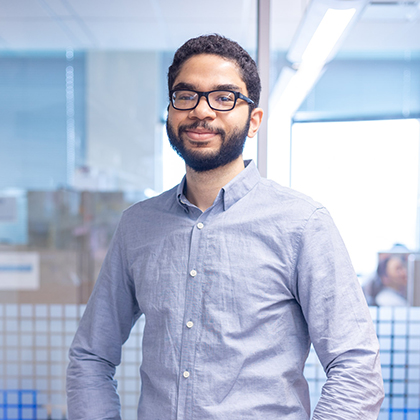
I am originally from the Chicagoland area and earned my Sc.B. at Brown University in Providence, RI. I then worked as a research associate in the Zhang Lab at the Broad Institute on RNA editing before joining the MD-PhD program at the University of Pennsylvania. My project is focused on the intersection of neuroscience and epigenetics. Overall, my research interests are neuroscience, gene editing, aging, and RNA biology. Outside of lab I enjoy playing tennis, going to the gym, baking, and supporting the Cubs and Phillies!
MD/PhD Candidate
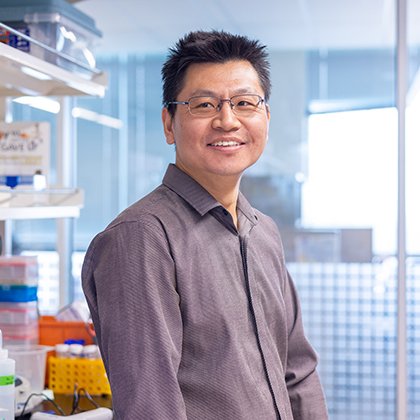
Born and raised in China, I earned my PhD studying miRNA under Dr. Binglian Zhen at Fudan University, followed by a postdoctoral fellowship at Yale University with Dr. Haifan Lin. My broad research interest lies in using functional genomics to uncover mechanisms of genome integrity in neurological disorders and cancer. In the Cremins Lab, I use functional genomic approaches to dissect 3D chromatin organization in disease contexts. Off the clock, I enjoy playdays with my kids, biking, badminton, basketball, fishing, and shooting pool with friends.
PostDoctoral Researcher
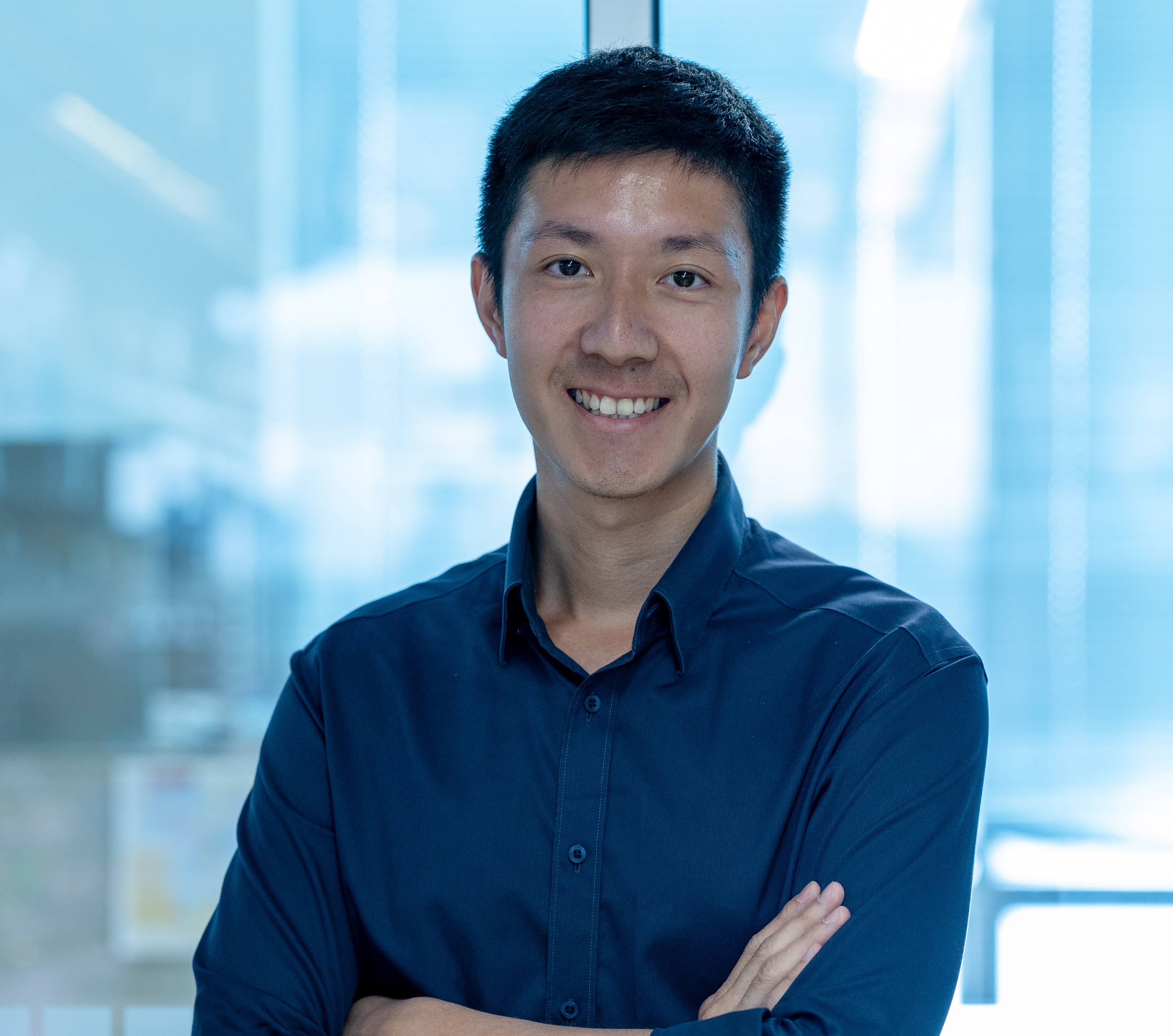
I received my PhD under the supervision of Prof. Danny Leung from the Hong Kong University of Science and Technology. During my PhD, I investigated the epigenomic dysregulation of non-coding regulatory elements in liver cancer. My work showed how the aberrant activity of these sequences drives transcriptional reprogramming in hepatocarcinogenesis. My current research interest lies in the interplay between the epigenome and 3D genome in long-term memory storage. In my leisure time, I enjoy jogging, watching movies, and listening to music.
PostDoc
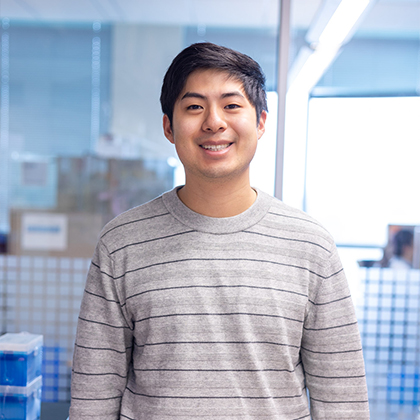
I'm a computational biologist interested in linking disease phenotypes with epigenetic data. I grew up near San Francisco and attended WashU in St. Louis for undergraduate before joining the Cremins lab as a research technician. Currently I'm investigating the role of CTCF in post-mitotic neurons for regulating 3D genome structure, gene expression, and DNA methylation. In my spare time I enjoy playing racket sports and learning Chopin on the piano.
Postbaccalaureate Scholar
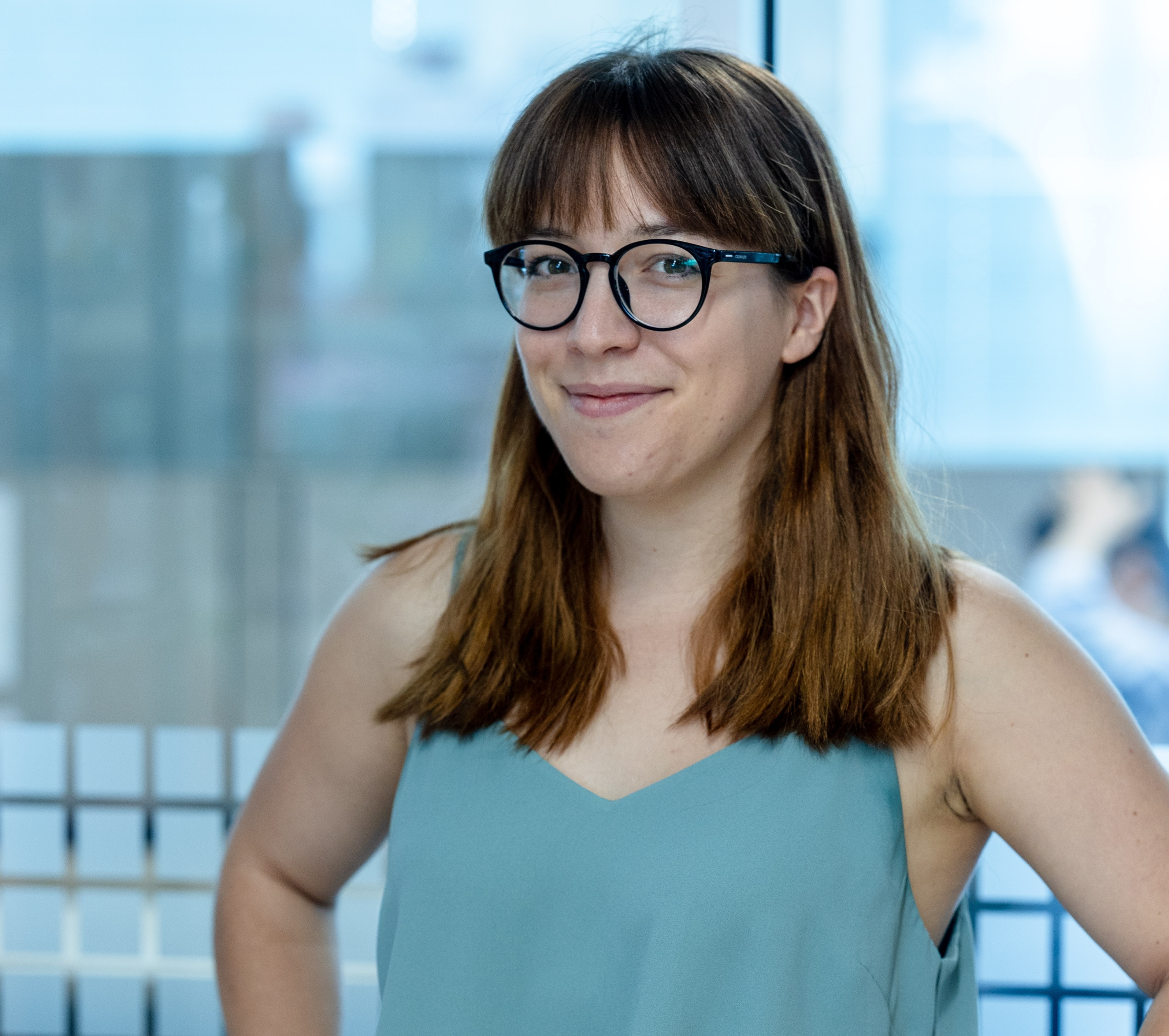
I was born and raised in Verona, Italy, and moved to Perugia to pursue a B.Sc. in Biotechnology and an M.Sc. in Pharmaceutical Biotechnology at the University of Perugia. My research interests focus on using genome engineering to investigate the molecular mechanisms underlying disease-associated cellular dysfunction. During my research experience as an Erasmus trainee at MSH Medical School Hamburg in Hamburg, Germany, I used CRISPR/Cas9-mediated genome editing to generate loss-of-function phenotypes and investigate the molecular mechanisms regulating the volume-regulated anion channel (VRAC) activation. Later, as a Junior Research Scientist at IRBM in Pomezia, Italy, I applied CRISPR/Cas9-based approaches to develop cell-based assays for studying somatic instability in Huntington’s disease. At the Cremins Lab at Washington University in St. Louis, Missouri, USA, where I am currently a visiting researcher, I am developing 3D neural models, including region-specific organoids and assembloids, while expanding my expertise in genome editing and functional genomics. Outside the lab, you can make me happy by taking me hiking or, even better, by making me a good lasagna.
Visiting Researcher
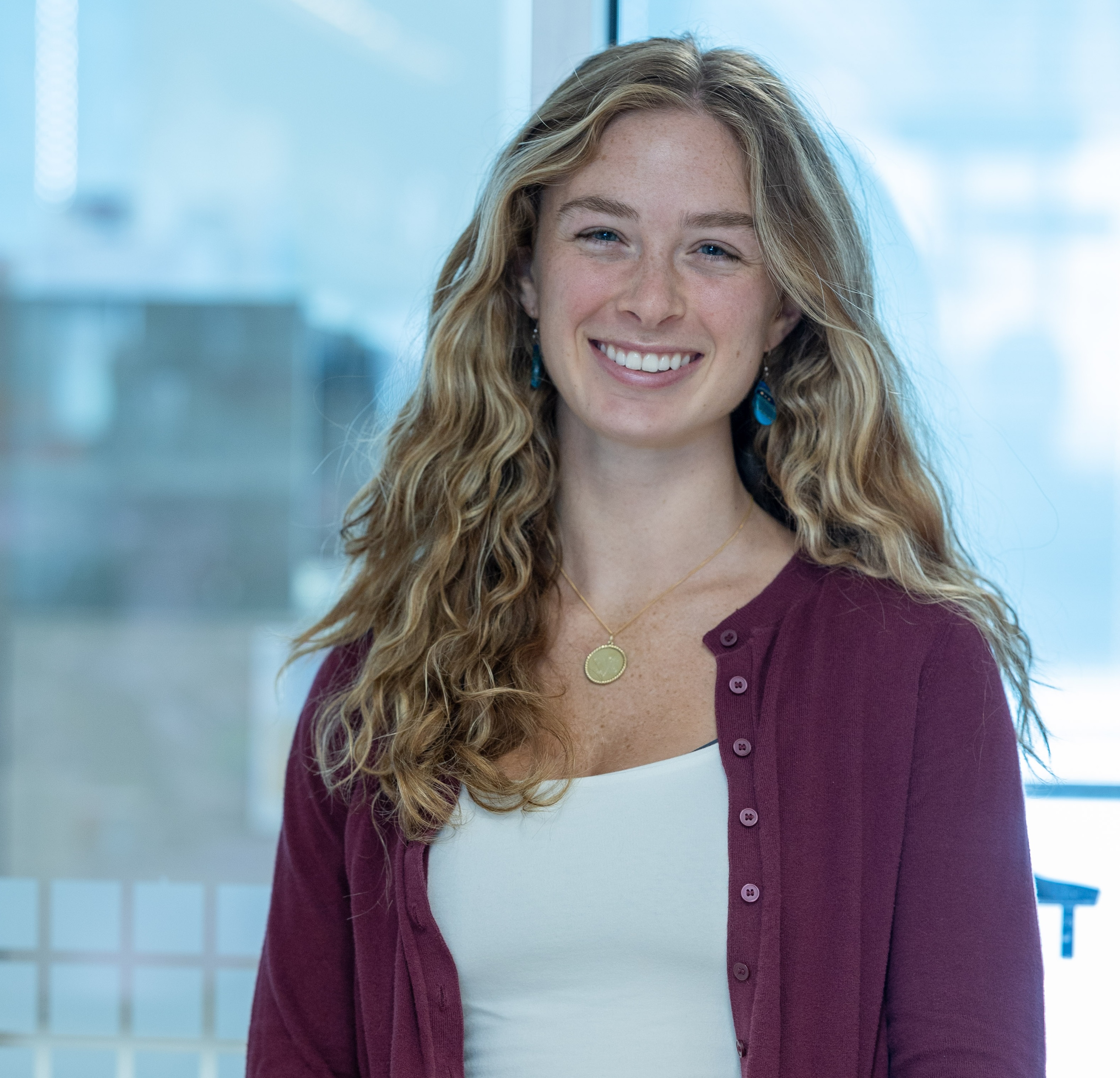
I grew up in Doylestown, Pennsylvania, before moving to Chicago to attend Loyola University Chicago, where I studied Neuroscience. I am currently a SEEDs Postbaccalaureate Scholar in the Cremins Lab, where I am part of Team Connectome. I am broadly interested in understanding the mechanisms underlying neurodegenerative disorders and developing and informing therapeutic strategies for these diseases. Outside of the lab, I enjoy practicing yoga, spending time with friends, crafting, and playing sports.
SEEDs Scholar
I was born in Seoul, South Korea, and I was mentored by Dr. Christopher Jacobs and Dr. Alberto Ciccia at Columbia University as an undergraduate research assistant. I am in the MD-PhD program at UPenn and hope to pursue internal medicine or neurology with continued focus on neurodegenerative disease research. My PhD work in the Cremins lab focuses on understanding why specific neuronal subtypes are more vulnerable than others in short tandem repeat neurodegenerative disorders, such as Huntington’s disease and C9orf72 ALS. Specifically in in vitro Huntington’s disease models, I strive to understand cell type- and activity-dependent short tandem repeat instability and its link to chromatin folding. In my free-time, I enjoy playing the piano and violin, cooking, and exploring different cuisines and restaurants.
MD/PhD Candidate
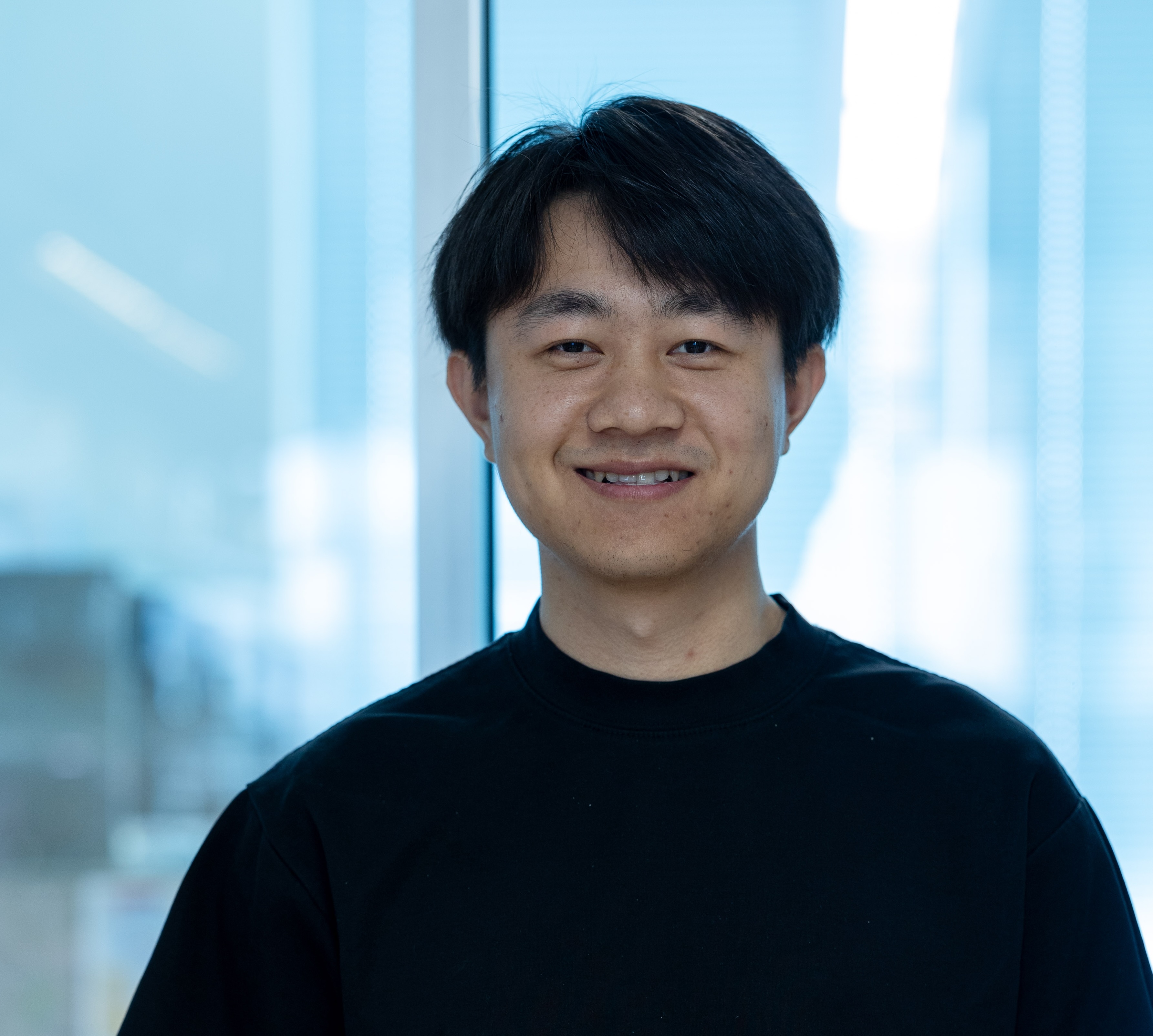
I am a PhD student in the Developmental, Regenerative and Stem Cell Biology Program at WashU. I was born and raised in Zhejiang Province, China, and earned my B.S. and M.S. in Animal Science from Zhejiang University. Before beginning my PhD, I studied epigenetic regulation during mammalian early embryonic development and cell fate decisions using gene editing and multi-omics approaches. In the Cremins Lab, I am interested in understanding how activity-dependent changes in chromatin architecture regulate neuronal plasticity, and how these processes become disrupted in neurodegenerative disease. Outside the lab, I enjoy hiking and playing all sorts of sports, as well as slowing down with a good novel and exploring good food.
PhD Candidate

I was born and raised in Queens, NY, and completed my B.S. and M.S. in Biology in New York City before earning my Ph.D. in Neuroscience at Florida State University. My doctoral research focused on utilizing high-resolution genomics to map the 3D chromatin architecture and epigenetic signatures underlying drug addiction and reward behaviors in the brain. Broadly, I am interested in leveraging advanced genomics technologies to decode the neuron subtype-specific gene regulatory mechanisms that govern learning and memory, and exploring how these insights can be applied to inform novel approaches for treating the continuous distribution of brain disease phenotypes.
In the Cremins Lab, I am using a multi-omics approach (snm3C-seq, scRNA-seq) on hiPSC-derived neurons to investigate the dysregulation of enhancer-promoter looping in familialAlzheimer’s disease. Additionally, I am working on applying these and other multimodal methods to investigate 3D chromatin architecture in fear memory, and how these gene regulatory networks may be rescued via psilocybin-induced synaptic plasticity. When I am not generating or analyzing data in the lab, I enjoy spending time with my German Shepherd, Valkyrie, exploring the attractions in Forest Park, and reviewing different restaurants in St. Louis with my fiancée, Ashley.
PostDoctoral Researcher
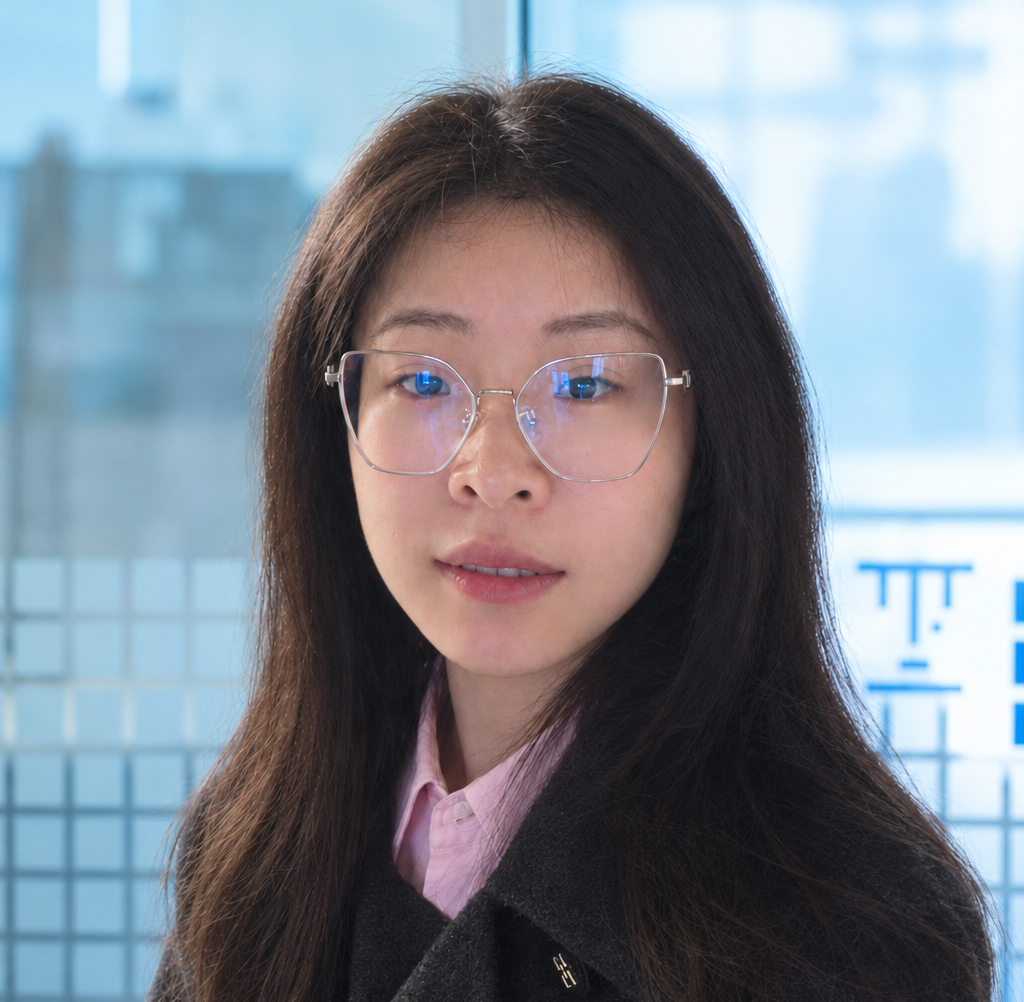
I am a Master student in the Biomedical Informatics program at Washington University School of Medicine. I was born in Shanxi Province, China, and earned my BS in Pharmaceutical Engineering from Dalian University of Technology. I am a member of the Familiar Alzheimer’s group and will also be learning spatial transcriptomics in the Cremins Lab. I am interested in using computational methods to study neurodegenerative diseases and organ-on-chip systems, with the goal of building virtual and more precise biological models that can help advance disease research and treatment. Outside of research, I enjoy listening to music and playing different kinds of games on Steam.
Masters Student

Jonathan supports the Cremins Lab through strategic operations, administration, and organizational planning. He works closely with lab leadership to coordinate priorities, improve workflows, and support the day-to-day needs of a dynamic research environment. His background spans executive support, project management, data analytics, and operational strategy across academic and corporate settings. He enjoys helping teams stay organized, connected, and focused so that researchers can spend more time advancing their scientific work.
Assistant to PI
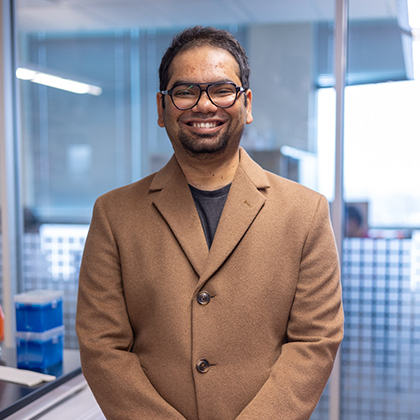
I was born in Madurai, India—a city famous for its fragrant jasmine and one of the world’s oldest continuously inhabited cities, dating back to the 3rd century BCE. My life and career have been defined by a readiness to move and adapt, taking me from Coimbatore to Bangalore, Chandigarh, Philadelphia, and now, St. Louis. Along the way, I made a successful and rewarding transition from a full-time wet lab scientist to a full-time computational scientist.
I earned my PhD from IISER Mohali in India, where I investigated the role of insulator-mediated CTCF chromatin loops in the mitotically stable, random monoallelic expression of autosomal genes. Following my PhD, I expanded my horizons to study the role of chromosomal rearrangements in fetal brain development and cancer resistance. Driven by a deep interest in genome-wide epigenetic and chromosomal conformation changes in disease models, I joined the Cremins Lab. There, I contributed to uncovering BREACHes in Fragile X Syndrome (FXS), a discovery published in Cell.
Currently, my research focuses on unraveling the role of epigenetic and chromosomal conformation changes during memory formation, with a particular interest in neurodevelopmental diseases like Autism Spectrum Disorder (ASD). Outside of my computational work, I am an avid foodie and spend my free time experimenting in the kitchen and developing my own recipes.
Instructor
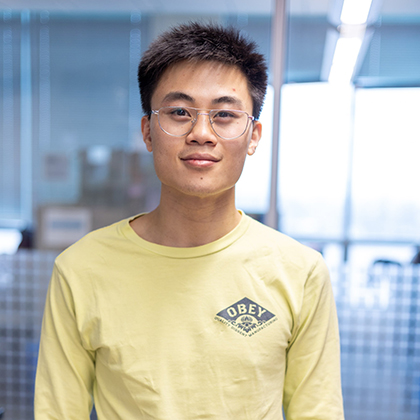
I was born and raised in Southern California and completed my undergraduate studies in New York City before coming to the University of Pennsylvania for the MD/PhD program at the Perelman School of Medicine. My PhD work in the Cremins Lab focused on chromatin mechanisms underlying repeat expansion disorders, with a particular focus on Fragile X syndrome and how chromatin state contributes to neuroplasticity. I’m broadly interested in how epigenomic regulation modifies cellular functions and disease phenotypes. Outside of lab, I enjoy cooking, playing board games, and listening to podcasts.
MD/PhD Candidate
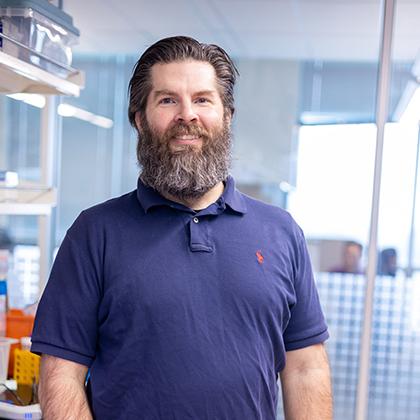
I grew up in a small town in central Indiana and earned my BS in Biology from the University of Notre Dame. I began my research career in the lab of Lucinda Carr at the Indiana University School of Medicine before moving to the Washington University School of Medicine to work in the lab of Christina Gurnett and Matt Dobbs. Currently, in the Cremins Lab, my scientific work involves assisting with ongoing chromatin tracing projects. However, my primary focus is overseeing daily operations to ensure the lab runs smoothly and safely, providing our graduate students and post-docs with the resources and support they need to succeed. Outside of the lab, you can usually find me cheering on my kids at their volleyball or baseball games, playing with my dog, or hanging out with my neighbors
Lab Supervisor
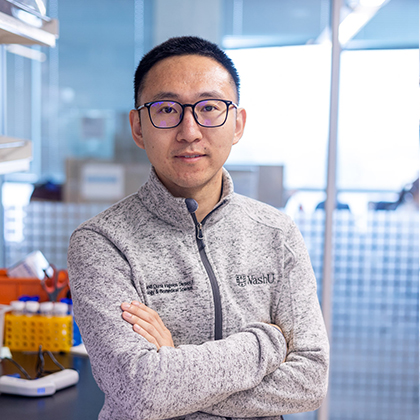
I was born and raised in Jilin, China, and I completed my PhD in the lab of Dr. Yuejun Chen at the Center for Excellence in Brain Science and Intelligence Technology, Chinese Academy of Sciences. My earlier work focused on cell therapy for Parkinson’s disease. I am interested in decoding the molecular mechanisms underlying complex brain physiology. My current projects at WashU are focused on utilizing single-cell multiomics to investigate chromatin loop configurations in memory engrams. When I am not in the lab, I enjoy playing tennis or catching a local concert here in St. Louis.
PostDoctoral Researcher

I am originally from Ho Chi Minh city, Vietnam. I obtained my undergraduate degree at the University of Cincinnati, Ohio, majoring in Biomedical Engineering. I am now a PhD student in Computational and Systems Biology at WashU. My broad research interests are in the development of computational methods for modeling epigenetic and gene regulatory processes, with applications in neurophysiology and neurological diseases. When not doing science, I like playing different racket sports, board games, binge-watching Youtube, learning a new language, and guessing countries from Google Streetviews.
PhD Student
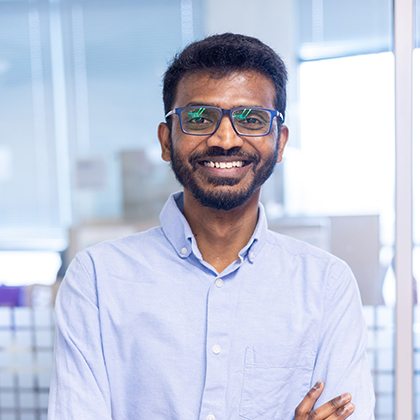
I am a Staff Scientist with a background in epigenetics, 3D genome organization, and stem cell biology. I completed my Ph.D. in Dr. Jagan Pongubala’s lab at the University of Hyderabad, India, where I studied higher-order genome organization during B-cell development. My current research in the Cremins lab focuses on understanding how alterations in chromatin architecture and epigenetic regulation contribute to neurodevelopmental disorders, particularly fragile X syndrome, using human iPSC models and advanced genomic approaches.
PostDoctoral Researcher
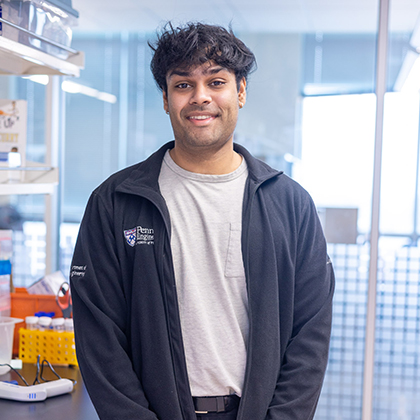
I was born and raised in the greatest city in the world NYC! I completed my undergraduate degree at the University of Virginia with a degree in Biomedical Engineering and Math. I worked in the lab of Jeffrey Saucerman learning the ins and outs of computational biology, and modeling signaling pathways! I am currently a PhD student at the University of Pennsylvania, where my PhD project focused on creating computational tools and algorithms to detect Higher order 3D genome folding features in imaging data. I also focus on using high throughput imaging techniques in combination with CRISPR/Cas9 to study how different epigenetic factors organize within the nucleus. I am broadly interested in using functional genomics, imaging, and computational approaches to ask fundamental, mechanistic, and biological questions. I am an engineer at heart and you can find me in lab either 3D printing, drilling holes into tables, or eating chick-fil-a
PhD Candidate
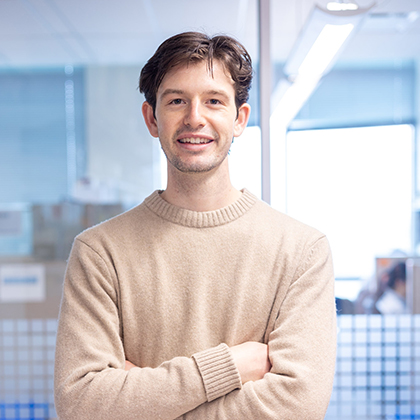
I was born and raised in Wakulla County, Florida, home of the world’s largest freshwater spring. I stayed in the Sunshine State for undergrad at Embry-Riddle University, where I studied computer science. During undergrad, I worked in the Li-San Wang lab at Penn and completed an internship at NASA. I joined the Cremins lab as part of the SEEDS-bridge post-bacc program, and I started my PhD here at WashU in the fall of 2026. My research is broadly focused on investigating the role of epigenetic state in neuronal function and dysfunction through machine learning and statistical methods. If I’m not in the lab, you’re likely to find me running in Forest Park or reading.
PhD Student
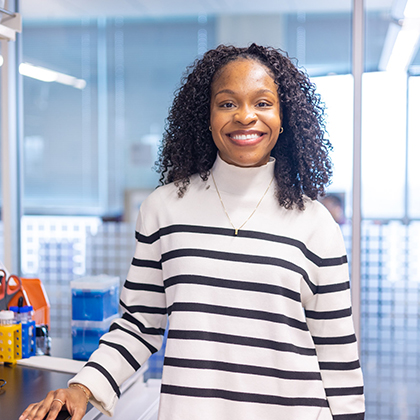
Born in Haiti and raised in New York, I earned my B.S. in Biology at Binghamton University and was trained as a SEEDs Scholar in the Cremins Lab, where my passion for scientific discovery was fueled. Today, my research interests centers on the intersection of neurodevelopment and neurodegenerative disease, focusing on how epigenetic modifications may dictate neuronal connectivity by shaping how neurons communicate, misfire, or go silent. Outside the laboratory, I am usually competing in local poetry slams, testing new recipes in the kitchen, or stealthily procuring plant cuttings,because honestly, no plant in my vicinity is safe. Which side of my work-life balance are we connecting over today: The Scientist, The Poet, The "Botanist", or The Chef?
SEEDs Researcher

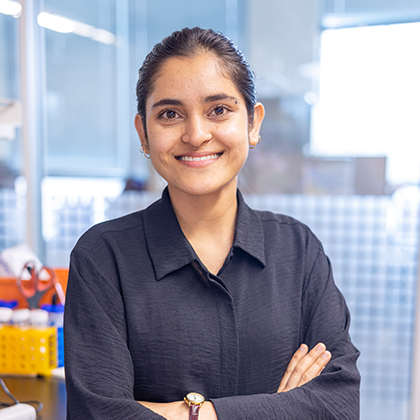
I was born and raised in India, where I also completed my PhD in the lab of Dr. Dimple Notani at the National Centre for Biological Sciences, Tata Institute of Fundamental Research (NCBS-TIFR). My PhD project investigated whether and how mitotic H3S10 phosphorylation is linked to chromatin folding and gene expression in dividing cells to elucidate its plausible functional role. Broadly, I am interested in integrating interdisciplinary approaches with molecular biology to understand complex biological problems. In the Cremins Lab, my work focuses on using multiomics and spatial technologies to identify early changes in 3D chromatin architecture, epigenomics, and transcription in human iPSC-derived familial Alzheimer’s disease (FAD) neuronal and brain organoid models. Outside the lab, I am an artist who loves spending time in nature. I also enjoy hiking, playing badminton, experimenting with cooking and reading.
PostDoctoral Researcher

I am from Atlanta, Georgia, and I completed my undergraduate and Master’s degrees from the University of Pennsylvania. I am very interested in understanding how 3D chromatin conformation influencing electrophysiology, transcriptional networks, and genomic stability in the brain. My projects focus on applying and developing high-resolution techniques to map the interplay between neuronal stimulation-induced chromatin remodeling and DNA damage repair mechanisms. Outside of science, I enjoy running and playing tennis, and I also love trying new recipes!
MD/PhD Candidate
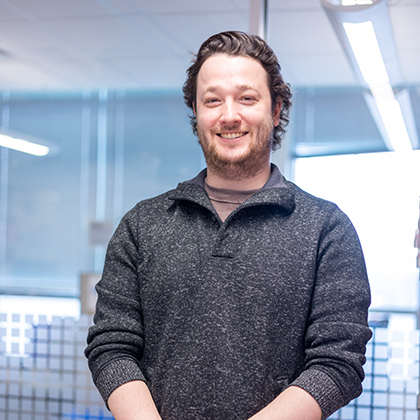
I completed my accelerated/combined bachelor of engineering and master of science in Biomedical Engineering and Applied Mathematics and Statistics at Stony Brook University. My research focused on synthetic biology, computational modeling of synthetic gene circuits, and neurodegenerative and neuropsychiatric diseases. I joined Dr. Cremins' lab at the University of Pennsylvania in 2020 and recently defended my doctoral dissertation where my expertise encompassed next-generation sequencing, combinatorial barcoding for multi-omic sequencing, computational biology, RNA-mediated disease mechanisms, and repeat expansion disorders. My future goals aim to translate neuro-genetic mechanisms into scalable therapeutic platforms to improve patient quality of life in neurological disorders and diseases.
PhD Candidate
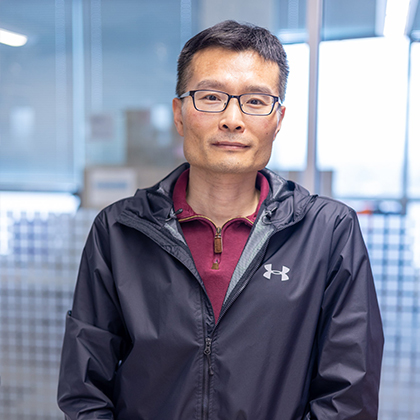
I was born and raised in China, where I earned my MD from Zhengzhou University School of Medicine and a Master’s degree in Neurology from Capital Medical University. I began my research career at the China National Clinical Research Center for Neurological Diseases under the mentorship of Yongjun Wang, focusing on stroke prevention and treatment. I later trained at Duke University School of Medicine in the lab of Daniel T. Laskowitz, where I conducted research related to traumatic brain injury and earned an MHS in Clinical Research. I completed my PhD in Hong Wang’s laboratory at Temple University School of Medicine, investigating molecular and cellular mechanisms of microglial dysfunction in Alzheimer’s disease. In the Cremins Lab, my research focuses on understanding the connectome underlying experience-dependent learning and memory in aging and neurological disease using genetic, molecular, and animal-model approaches. My long-term goal is to uncover mechanisms of aging and neurological disease and translate these discoveries into new therapeutic strategies. Outside the lab, I enjoy running, doing pull-ups, and watching videos.
PostDoctoral Researcher
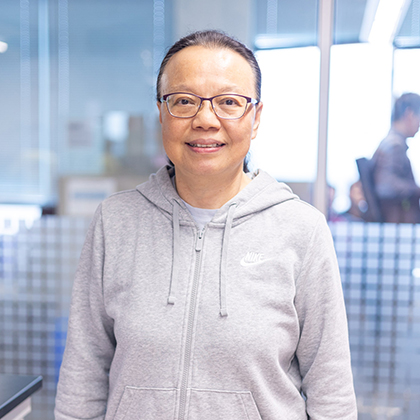
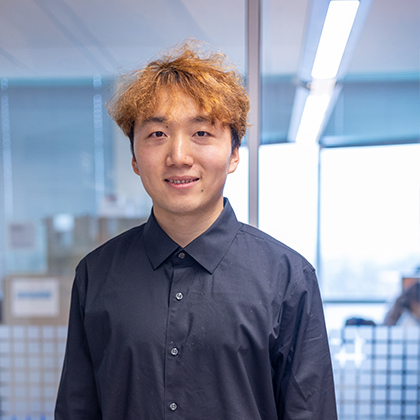
I grew up in Henan, China, a place I sometimes jokingly describe as the Missouri of China. Before joining the Cremins Lab, I completed my PhD in bioinformatics at the University of Missouri, where I was co-advised by Drs. Mihail Popescu and Dong Xu. My doctoral research focused on integrating knowledge graphs and large language models for biomedical knowledge mining. Broadly, I am interested in using statistical and computational approaches to advance genomics and epigenetics research. In the Cremins Lab, I collaborate across several genomics projects, providing statistical and computational expertise to help turn complex datasets into biological insights. Outside the lab, I enjoy spending time outdoors with my dog, playing basketball, and listening to audiobooks during my commute. V. S. Naipaul and Joan Didion are among my recent favorite writers.
Computational Scientist
Alumni
People we’ve had the pleasure of working with at Cremins Lab
Join Us
We’re always looking for curious, collaborative people who want to push the boundaries of neuroscience and memory research. Explore opportunities to contribute, learn, and help shape the future of discovery.
.svg)
.svg)